/ Updated / 6 min read / Personal Injury Lawyer SEO team
Case-Type Pages That Rank: Car, Truck, Motorcycle and Slip-and-Fall Without Copy-Paste
What makes a car, truck, motorcycle or slip-and-fall page specific enough to rank, from evidence and insurers to local roads, without copy-paste.
Want this applied to your firm? Get a free SEO case review.
A case-type page ranks when it says things that are only true of that case type, and a city version of it ranks when it says things that are only true of that city. If you can swap "truck" for "car" or one county for another and the page still reads correctly, Google has no reason to prefer it over the dozens of near-identical pages other firms publish, and a reader has no reason to trust it. The fix is not more words. It is the evidence, the parties, the insurers, the liability questions and the local details that change from one kind of crash to the next.
The swap test
Before publishing any practice page, try this. Take the page for one case type, replace the case-type word and the city name with another, and read it again. Mark every sentence that is still true. Those sentences are the ones doing nothing for the page. On a typical template page, almost all of them survive the swap. On a page worth ranking, most of them break.
Sentences that survive the swap: "Our experienced attorneys fight for the compensation you deserve." "If you've been injured, contact us today." "Insurance companies are not on your side."
Sentences that break: "Trucking companies are required to keep driver logs, and those records can be lost if no one asks for them early." "Most crashes in this county are reported by the sheriff's office, not city police, so the report request goes to a different window." The second kind is what the page is for. (That second sentence only works if it is true for your county. Check before you write it.)
What actually separates the four case types
| Question | Car | Truck | Motorcycle | Slip and fall |
|---|---|---|---|---|
| Evidence the reader worries about | Police report, photos, medical records, dashcam | Driver logs, electronic logging data, maintenance records, the truck's onboard data | Bike damage, gear, helmet, witness accounts of lane position | Surveillance video, incident report, photos of the hazard, cleaning logs |
| Who is on the other side | The other driver's insurer, sometimes your own | Carrier, its insurer, sometimes a broker, shipper or trailer owner | Driver's insurer, and assumptions about riders | Property owner, manager, tenant, their insurer |
| Liability questions | Fault rules vary by state | Federal and state trucking rules on hours and maintenance | Fault rules, helmet laws that vary by state | Whether the owner knew or should have known about the hazard |
| Urgency | Medical care, repair, rental | Records can disappear if not requested promptly | Injuries can be severe; riders expect to be blamed | Video may be overwritten; incident reports stay with the business |
| US monthly searches (Google Ads data, October 2026) | 246,000 for "car accident lawyers" | 49,500 for "truck accident lawyer" | 22,200 for "motorcycle accident lawyer" | 12,100 for "slip and fall lawyer" |
The search numbers are national and change month to month. They are here to show scale, not to tell you which page to write first. That depends on the cases your firm wants.
What each page should say that the others can't
Car accident pages
The car page has the largest audience and the most competition, so it is the page most tempted toward filler. Specific material it can carry: how the police report request works in your county, what an adjuster's early recorded-statement call is, what uninsured and underinsured motorist coverage is in general terms and why a person might look at their own policy, and how fault rules differ between states without stating your state's rule unless your lawyers confirm it. Rideshare crashes deserve their own page rather than a paragraph here, because the coverage questions are different.
Truck accident pages
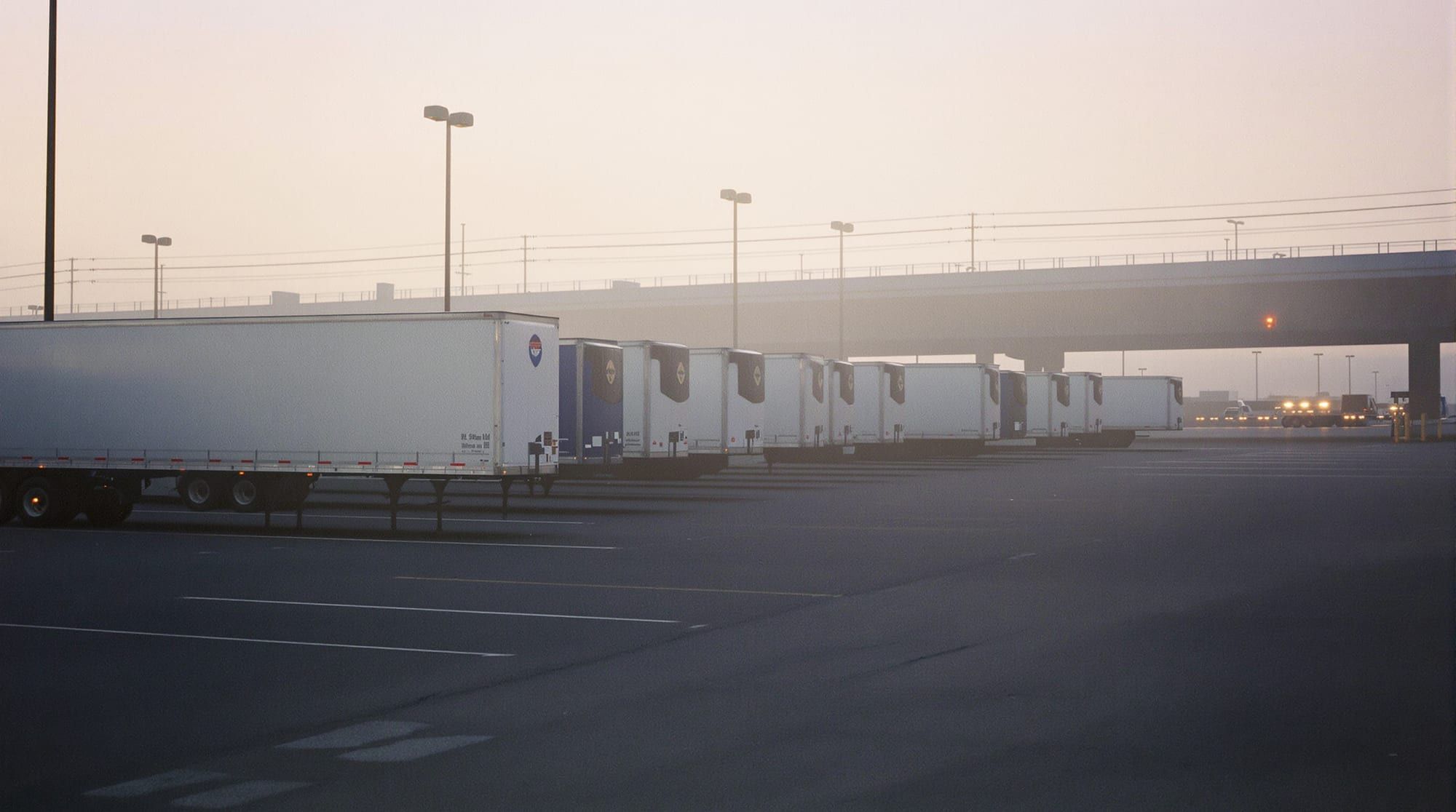
Truck pages are where specificity pays most, because the reader is often facing more than one company. Explain who the parties might be: the driver, the motor carrier, a broker, the owner of the trailer, a maintenance contractor. Explain in general terms that federal and state rules govern driver hours, inspections and record keeping, and that those records are part of why a firm may send a preservation letter early. Name the freight corridors and interchanges in your area if you can do so accurately. A truck page that reads like the car page with heavier vehicles fails the swap test badly.
Motorcycle accident pages
Riders read differently. They know their bikes and they expect to be blamed. A motorcycle page earns trust by getting the details right: lane position, visibility at intersections, gear and helmet questions, the damage to the bike as evidence, and the fact that helmet laws vary by state. It should not lecture riders about safety. If someone on your team rides, their perspective in the copy reads differently from a page written by someone who doesn't, though any attorney statements still need to stay within your state's advertising rules.
Slip-and-fall pages
Premises cases turn on different questions. The page should cover, in general terms, what "notice" means (whether the owner knew or should have known about the hazard), why surveillance footage matters and why it can be overwritten, the incident report the store may fill out, and the difference between the property owner, the management company and a tenant. It should also be honest that these cases are fact-sensitive. A page that implies every fall is a case does the reader no favors and runs into Rule 7.1's prohibition on misleading communications.
The city layer
City pages work the same way. What can change from one city to the next:
- The roads and interchanges where crashes happen, named accurately.
- Which agency usually takes reports on which roads, and how to request them.
- The courthouse where a case from that city would typically be filed.
- How far your office is and whether your lawyers meet clients there.
- Hospitals and trauma centers, named only as places people are treated, without implying any relationship.
What should never change: invented local crash statistics. If you don't have a sourced number for that city, leave the number out.
A California window tinting company on our Golden package with content writing went from about 5 leads a week to over 280 a week between February and July 2025, using unique city pages, and reached page one across dozens of California cities. The pages ranked because each one was about its city, and an injury firm's city pages work the same way. The details are on our case results page.
A page outline that resists copy-paste
- Open with what this kind of crash or fall involves, in the reader's words.
- Explain the evidence specific to the case type and what can be lost by waiting.
- List the parties and insurers who may be involved.
- Describe, generally, the liability questions, with a note that rules vary by state.
- Add the local layer: roads, agencies, courthouse, office distance.
- Show who at the firm handles these cases, with the responsible attorney named.
- End with what happens when someone contacts the firm.
Every section should fail the swap test. If one doesn't, rewrite it or cut it. This is how we write practice pages as part of SEO for personal injury firms, one case type and one city at a time.
If you'd like us to run the swap test on your current practice pages, ask for a free SEO case review. We will show you which pages read as generic and what each one is missing.
Advertising rules differ by state; check yours with your state bar before you publish.